

Bulk Acid Chloride Supplier in India: Aliphatic and Aromatic Product Sourcing Guide
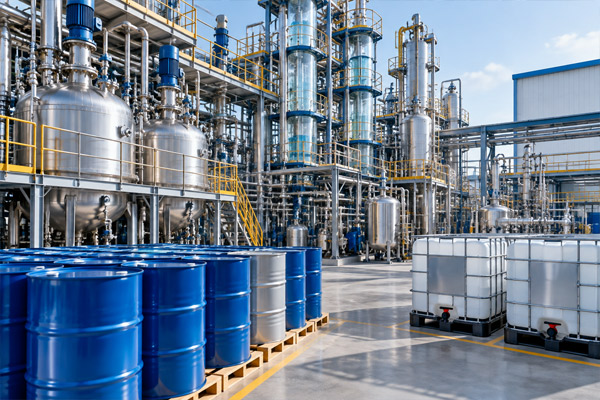
Strategic Intermediate Sourcing: Finding a Reliable Bulk Acid Chloride Supplier in India
Industrial chemical procurement teams and synthesis managers recognize that selecting a reliable bulk acid chloride supplier in India is an essential step for securing smooth manufacturing operations. Whether your company produces active pharmaceutical ingredients (APIs), modern crop protection formulations, or specialty performance chemicals, acid chlorides represent vital reactive building blocks. Their proven capacity to introduce acyl groups into nucleophilic organic substrates makes them indispensable across complex multi-step synthetic pathways.
Modern sourcing focuses on supply risk mitigation and technical reliability. When searching for the best acid chloride manufacturer in India, purchasing teams evaluate plant safety, quality consistency, and export capabilities to ensure commercial campaigns run without interruption.
Aliphatic vs. Aromatic Acid Chlorides: A Purchasing Perspective
From an industrial purchasing perspective, understanding the practical distinctions between aliphatic acid chlorides and aromatic acid chlorides is vital for planning storage, packaging, reaction scheduling, and inventory turnover. While both product classes feature the reactive carbonyl chloride group (-COCl), their underlying molecular structures dictate distinctly different chemical reactivities and commercial handling requirements.
Aliphatic acid chlorides contain alkyl chains bonded directly to the acyl carbon. Common examples include Chloroacetyl Chloride, Propionyl Chloride, and Valeryl Chloride. Because aliphatic alkyl groups do not provide resonance stabilization, the carbonyl carbon remains intensely electrophilic. Consequently, aliphatic derivatives react swiftly with amines, alcohols, and moisture, requiring strict anhydrous storage conditions and moisture-impermeable containers.
In contrast, aromatic acid chlorides, such as Benzoyl Chloride and its substituted derivatives, feature an aromatic ring attached directly to the carbonyl group. Resonance delocalization between the aromatic pi-system and carbonyl group moderates electrophilicity. Consequently, aromatic acid chlorides display slower hydrolysis rates than low-boiling aliphatic analogs, while remaining potent acylating agents that demand careful plant handling.
For global sourcing managers, partnering with an established aliphatic acid chlorides manufacturer that also operates dedicated capacity as an aromatic acid chlorides manufacturer ensures dependable product availability under unified quality management systems. Sourcing both product classes from a single aliphatic acid chloride supplier India and aromatic acid chlorides supplier simplifies vendor audits and consolidates shipping logistics.
Key Product Comparison: Commercial Acid Chlorides at a Glance
Procurement teams evaluate specific intermediate candidates based on molecular weight, physical state, boiling ranges, and target industrial applications. The comparison table below highlights four commercial acid chlorides supplied for pharmaceutical, agrochemical, and specialty manufacturing.
| Product Name | CAS Number | Chemical Family | Typical Physical Form | Key Industrial Applications |
|---|---|---|---|---|
| Chloroacetyl Chloride | 79-04-9 | Aliphatic (Haloalkyl) | Colorless to pale yellow liquid | APIs, herbicides, fungicides, dyes, specialty organic synthesis |
| Propionyl Chloride | 79-03-8 | Aliphatic (Alkyl) | Clear, colorless liquid | Pharmaceutical intermediates, agrochemical synthesis, fine esters |
| Valeryl Chloride | 638-29-9 | Aliphatic (Alkyl) | Clear to pale yellow liquid | Cardiovascular active intermediates, specialty chemical synthesis |
| Benzoyl Chloride | 98-88-4 | Aromatic (Aryl) | Colorless, pungent liquid | Peroxides, plasticizers, dye intermediates, pharmaceutical acylation |
How Buyers Should Choose the Appropriate Acid Chloride for Manufacturing
Selecting the right acid chloride grade requires close technical collaboration between chemical procurement managers and synthesis development chemists. Making an informed sourcing decision ensures reaction selectivity, predictable yields, and cost-effective commercial manufacturing.
First, assess target reaction kinetics and pathway selectivity. For example, if a synthesis requires dual functionality where both acylation and alkylation occur sequentially, Chloroacetyl Chloride provides both an acyl chloride group and an alpha-chlorine site. Sourcing from an experienced Chloroacetyl Chloride Manufacturer in India guarantees consistent bifunctional reactivity. When introducing simple propionyl or valeryl moieties, selecting high-purity mono-functional reagents like Propionyl Chloride CAS No. 79-03-8 or Valeryl Chloride prevents unwanted side-chain complications.
Second, evaluate the acceptable impurity profile of your downstream product. In pharmaceutical synthesis, trace contaminants such as residual sulfur, phosphorus, or heavy metals can cause catalytic poisoning or trigger regulatory non-compliance during API auditing. A high purity acid chlorides supplier that utilizes modern synthesis routes without sulfur-containing or phosphorus-based reagents offers significant quality advantages for regulated manufacturing.
Third, consider equipment metallurgy and operating temperatures. Because acid chloride reactions generate hydrogen chloride (HCl) gas as a byproduct, production units must operate glass-lined reactors (GLRs) and scrubbing systems. Sourcing teams should align container volumes with plant batch sizes to avoid prolonged storage of unsealed drums.
Industry-Specific Utilization Across Regulated Sectors
The demand for aliphatic acid chlorides for pharma industry applications and aromatic derivatives spans multiple demanding commercial sectors. Each industry applies distinct quality parameters and compliance standards.
Pharmaceutical and API Manufacturing: Pharmaceutical producers rely on acid chlorides as reactive coupling agents. Chloroacetyl Chloride and Propionyl Chloride serve as core intermediates for cardiovascular, anti-inflammatory, and central nervous system therapeutics. Working with an accredited Chloroacetyl Chloride Supplier in India and high purity acid chloride supplier India ensures high assay values and verified absence of elemental impurities.
Agrochemical and Crop Protection: In the agrochemical industry, acid chlorides are foundational intermediates for high-potency herbicides, insecticides, and systemic fungicides. Chloroacetyl derivatives, for instance, are widely used in the synthesis of acetanilide herbicides. In crop protection manufacturing, commercial buyers prioritize dependable high-volume supply contracts, stable multi-ton delivery timelines, and cost structures that support global price competitiveness from a trusted Chloroacetyl Chloride Exporter in India.
Dye, Pigment, and Colorant Synthesis: Synthetic dye manufacturers utilize aromatic acid chlorides, such as Benzoyl Chloride, to produce anthraquinone derivatives, dye intermediates, and specialized pigments. Here, color stability, low residue on ignition, and low organic volatile impurity levels are critical to ensure batch-to-batch shade uniformity when purchasing from a dependable Benzoyl Chloride Supplier.
Specialty Chemicals, Polymers, and Peroxides: Organic peroxides like benzoyl peroxide serve as essential polymerization initiators for polystyrene, acrylics, and polyester resins. Industrial chemical formulators sourcing from a benzoyl chloride derivatives supplier require low free benzoic acid content, minimal water presence, and excellent clarity to ensure safe and efficient peroxide production.
Quality Parameters Buyers Must Discuss with Manufacturers
When qualifying an organic acid chlorides manufacturer, chemical buyers must evaluate technical criteria beyond commercial pricing. Reviewing analytical dossiers ensures consistent plant performance.
Certificate of Analysis (CoA) and Chemical Assay: A robust CoA must accompany every production lot, specifying the gas chromatography (GC) assay purity. Buyers should confirm whether chromatographic purity is reported on an area-normalization basis or against calibrated analytical standards. Free acid content (such as residual carboxylic acid from synthesis) must be tightly controlled to prevent yield degradation.
Moisture Content and Free Chlorine: Because acid chlorides react vigorously with atmospheric moisture to release corrosive HCl, maximum permissible moisture limits must be established. Residual free chlorine or phosgene traces must be verified as absent or below analytical detection thresholds.
Safety Data Sheets (SDS) and REACH Compliance: Global chemical buyers require updated, Globally Harmonized System (GHS) compliant Safety Data Sheets. For European Union imports, confirmation of REACH registration or pre-registration status is necessary to avoid customs holds.
Batch Consistency and Traceability: Reliable producers maintain comprehensive batch records and retain reference samples for the full shelf life. This traceability ensures swift investigation of any production inquiry.
Essential Questions to Ask an Acid Chloride Manufacturer Before Ordering
Before finalizing supply agreements with an Indian chemical exporter, technical procurement teams should present targeted questions to ensure manufacturing robustness:
What chemical route is utilized for commercial production?
Confirm whether the manufacturing process utilizes thionyl chloride, phosphorus halides, or specialized organic chlorination routes. Understanding the synthetic pathway reveals potential impurity profiles.
What analytical instrumentation is used for lot release?
Verify that the quality control laboratory operates calibrated Gas Chromatography (GC) systems with appropriate capillary columns and Karl Fischer moisture titrators.
Can your facility support customized technical specifications?
Determine whether the manufacturer can tighten specific isomer limits, boiling ranges, or heavy metal thresholds to align with your internal production needs.
What standard packaging options are maintained in inventory?
Check whether materials are packed in UN-approved high-density polyethylene (HDPE) drums, polymer-lined steel drums, or specialized ISO tank containers.
Bulk Packaging, Export Logistics, and Safe Transport Standards
Acid chlorides belong to Dangerous Goods Class 8 (Corrosive Substances), often with subsidiary risks like Class 6.1 (Toxic) or Class 3 (Flammable). International transport requires strict compliance with IMDG maritime regulations.
Packaging Integrity: Commercial volumes are packed in UN-certified drums that withstand pressure changes and prevent moisture ingress. HDPE composite drums, epoxy-lined steel drums, and fluorinated containers provide reliable chemical resistance. Nitrogen blanketing is applied before sealing to maintain an inert headspace.
Palletization and Stuffing: Consignments are secured on fumigated wooden or plastic pallets, strapped and stretch-wrapped to prevent shifting. Desiccant packs inside containers absorb condensation during oceanic voyages.
Port Infrastructure and Export Dispatch: Sourcing through a reliable Propionyl Chloride Exporter in India or aliphatic bulk acid chlorides exporter offers immediate logistical access to western Indian ports like Mundra and Nhava Sheva (JNPT). Chemical facilities located in Gujarat benefit from direct highway connectivity to these major container hubs, ensuring timely container loading and expedited vessel sailing schedules.
Practical RFQ Checklist for Chemical Sourcing Managers
To expedite technical review and receive competitive, accurate quotations from an acid chloride manufacturer in India, chemical buyers should compile a complete Request for Quotation (RFQ) dossier. Use the following structured checklist:
- Product Identification: Exact chemical name, common trade name, and Chemical Abstracts Service (CAS) registry number.
- Required Technical Specification: Minimum assay percentage by GC, maximum allowable free acid, maximum moisture content, and appearance parameters.
- Volume Requirement: Pilot trial quantity, initial commercial order volume, and estimated annual procurement demand.
- Commercial Delivery Term: Targeted Incoterm (FOB port of origin, CIF destination port, or CFR), target arrival window, and delivery destination.
- Required Compliance Documents: Specific CoA format, multilingual SDS versions, non-GMO or TSE/BSE declarations if required for pharma applications.
- Sample Requirements: Volume needed for preliminary bench evaluation (e.g., 250 g or 500 g) and designated testing timeline.
Why Global Buyers Choose an Experienced Indian Acid Chloride Manufacturer
For decades, global chemical synthesis leaders have partnered with Indian fine chemical manufacturers to secure dependable intermediate supply. Companies like Shital Chemical Industries, founded in 1996 in Khambhat, Gujarat, exemplify the technological and operational strengths that make Indian manufacturers compelling partners.
Decades of Specialized Chlorination Chemistry: Handling elemental chlorine and thionyl chloride requires specialized engineering and scrubber installations. Established Indian producers have refined these operations over decades, transitioning reactions seamlessly from pilot scale to multi-ton commercial production.
Cleaner Synthesis via the Benzotrichloride Process: A major operational strength of Shital Chemical Industries is the proprietary manufacture of low-boiling acid chlorides using the Benzotrichloride process. Unlike conventional preparation routes that introduce sulfur or phosphorus impurities, the Benzotrichloride process generates products completely free of sulfur and phosphorus contaminants. This provides exceptional purity for demanding pharmaceutical and agrochemical syntheses.
Robust Quality and Regulatory Alignment: Operating under ISO 9001:2015 certified quality systems, reputable Indian exporters maintain advanced analytical testing facilities equipped with modern Gas Chromatography systems. Their manufacturing site in Khambhat, Gujarat, provides an ideal logistical base with immediate access to Gujarat’s integrated chemical ecosystem, specialized hazardous chemical transport fleets, and international container terminals.
Frequently Asked Questions
What makes a reliable bulk acid chloride supplier in India for international exports?
A reliable bulk acid chloride supplier in India combines dedicated chlorination manufacturing infrastructure, ISO 9001:2015 certified quality management, modern Gas Chromatography analytical capabilities, and thorough hazardous packaging compliance under IMDG international maritime regulations.
What standard packaging options are available for bulk Chloroacetyl Chloride and Propionyl Chloride?
Commercial dispatches are typically supplied in UN-approved high-density polyethylene (HDPE) drums or epoxy-lined steel drums (usually 200 kg to 250 kg net capacity) under an inert nitrogen blanket, as well as multi-ton dedicated ISO tank containers for high-volume accounts.
Can Shital Chemical Industries support customized technical specifications for niche applications?
Yes, experienced manufacturers assess buyer-specific requirements such as tighter chromatographic purity tolerances, reduced free acid limits, and specialized packaging configurations based on a thorough technical feasibility evaluation.
How does the Benzotrichloride process improve acid chloride purity?
The Benzotrichloride manufacturing process synthesizes low-boiling acid chlorides without relying on thionyl chloride or phosphorus trichloride reagents. As a result, the finished acid chlorides are completely free of sulfur and phosphorus impurities, preventing downstream catalyst deactivation in pharmaceutical synthesis.
What documentation is supplied with commercial chemical export shipments?
Standard commercial export documentation includes a lot-specific Certificate of Analysis (CoA), GHS-compliant Safety Data Sheet (SDS), Packing List, Commercial Invoice, Certificate of Origin, and IMDG-compliant Dangerous Goods Declaration.
How do buyers initiate a commercial quote or sample evaluation?
Buyers can submit a formal Request for Quotation (RFQ) detailing product chemical name, CAS number, required assay specifications, annual volume, and destination seaport through the manufacturer’s official contact portal.
Conclusion
Selecting the best bulk acid chloride supplier in India is a strategic decision that directly impacts the consistency, safety, and profitability of your chemical synthesis operations. By partnering with an experienced manufacturer offering proven chlorination capabilities, rigorous ISO-certified quality control, and sulfur-free Benzotrichloride production routes, sourcing teams can secure dependable intermediate pipelines for years to come.
Whether you require high purity Chloroacetyl Chloride, Propionyl Chloride, Valeryl Chloride, or Benzoyl Chloride derivatives, Shital Chemical Industries provides the manufacturing capacity, technical expertise, and export logistics support your business requires.