

3-Chlorobenzoyl Chloride
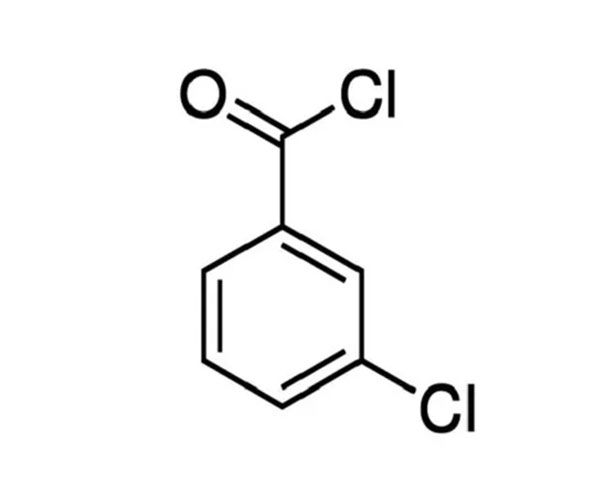
3-Chlorobenzoyl Chloride (CAS No. 618-46-2)
3-Chlorobenzoyl Chloride is a versatile liquid compound that plays a central role in high-tech chemical synthesis. As a dedicated 3-Chlorobenzoyl Chloride Manufacturer, we produce this high-purity intermediate to serve the rigorous needs of global industrial sectors. Chemically, it is classified as an aromatic acid chloride, a group of substances known for their high reactivity and ability to form strong molecular bonds. These compounds act as essential “linkers” that allow chemists to attach specific functional groups to other molecules, making them indispensable in the creation of complex chemical structures.
The value of this compound lies in its precise molecular arrangement, which ensures predictable results during large-scale manufacturing. It is particularly prized by any Chemical Intermediate Manufacturer focused on efficiency, as it reacts quickly and cleanly to produce high yields. In modern production environments, this chemical is a foundational component used to develop everything from advanced crop protection to life-saving medical treatments. Its reliability makes it a staple for industries that demand consistent quality in every batch of their final products.
Chemical Identification Table
Feature | Details |
Product Name | 3-Chlorobenzoyl Chloride |
Chemical Formula | C7H4Cl2O |
CAS Number | 618-46-2 |
EC Number | 210-553-3 |
Molecular Weight | 175.01 g/mol |
UN Number | 3265 |
Appearance | Clear to straw-colored liquid |
Chemical Category | Aromatic Acid Chloride |
Physical and Chemical Properties Table
Property | Description |
Boiling Point | 222°C to 225°C |
Melting Point | -4°C to -1°C |
Density | 1.36 g/cm³ at 20°C |
Flash Point | 111°C (Closed Cup) |
Solubility Characteristics | Decomposes in water; soluble in benzene and ether |
Chemical Stability | Stable under dry, controlled conditions |
Reactivity Behavior | Highly reactive with moisture, alcohols, and oxidizing agents |
Why Choose Shital Chemical Industries
Well-controlled chemical synthesis processes
We use refined methods to ensure the chemical structure is perfect every time.
Consistent purity maintained across production batches
Our quality control ensures that every shipment meets the exact specifications required.
Advanced laboratory testing and quality analysis
We use modern tools to verify the strength and composition of our products.
Infrastructure capable of large-scale manufacturing
Our facility is equipped to handle high-volume orders for global markets.
Expert handling of reactive acid chloride compounds
Our staff is trained to manage sensitive materials with the highest level of safety.
Reliable supply for global and domestic buyers
As a trusted 3-Chlorobenzoyl Chloride Supplier, we guarantee steady availability for your production line.
Packaging and Export Capability
Industrial drum packaging for chemical transport
We use durable, corrosion-resistant drums designed for safe transit.
Moisture-protected sealed containers
Specialized seals prevent air and humidity from affecting the 3-Chlorobenzoyl Chloride Chemical.
Hazard labeling according to international transport guidelines
Every package is clearly marked with safety symbols for easy identification.
Compliance with chemical shipping regulations
We strictly follow IMO and IATA standards for all sea and air shipments.
Export documentation including COA and MSDS
We provide comprehensive paperwork to ensure smooth customs clearance.
Reliable global logistics support
Our logistics partners ensure that your order arrives on time, no matter where you are located.
Applications of3-Chlorobenzoyl Chloride
Pharmaceutical manufacturing companies utilize this compound as a core building block for synthesizing active drug ingredients. It is essential for creating the chemical “backbone” of various medications, including those used to manage blood pressure and treat infections. Because the compound is highly reactive, it allows researchers to build complex molecules with high precision, ensuring the safety and effectiveness of the final medicine.
Specialty chemical laboratories also rely on this intermediate during the early stages of drug discovery. Its ability to undergo acylation reactions makes it a favorite tool for chemists looking to modify existing molecular structures. By providing a stable and pure starting material, we help these labs accelerate the development of new therapeutic options for patients worldwide.

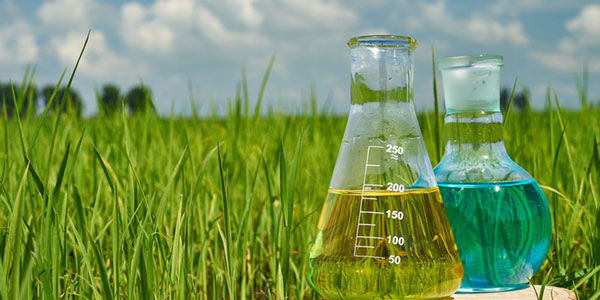
Agrochemical production plants find this chemical vital for the creation of modern pesticides, herbicides, and fungicides. In the agriculture sector, high-performance chemicals are needed to protect food crops from pests and disease without harming the environment. This acid chloride helps form the active molecules that ensure crops grow healthy and strong, contributing to a stable food supply.
By using this intermediate, manufacturers can produce crop protection agents that are more effective at lower doses. Its predictable chemical behavior allows for the creation of stable formulas that can be stored and used in various climates. This reliability is why it is a preferred choice for large-scale agricultural chemical producers.
In the field of general organic synthesis, this compound is used to create a wide variety of esters and amides. It is frequently employed in reactions where a 3-chlorobenzoyl group must be introduced into a larger molecule. This versatility makes it a fundamental tool for any industry that creates customized organic materials for commercial use.
Fine chemical manufacturing industries use this compound to produce secondary intermediates that are later sold to other factories. Its role as a chemical “starter” means it is found in many different supply chains. From flavorings to specialty solvents, the applications of this compound in organic synthesis are nearly endless.

This chemical is a key component in Specialty chemical laboratories that produce high-value, low-volume chemicals for specific technical tasks. These chemicals might be used in the production of advanced electronics or as catalysts in other chemical reactions. The presence of the chlorine atom provides unique physical properties that are often required for these high-performance applications.
Fine chemical manufacturing industries also use it to create additives that enhance the performance of other products. Whether it is improving the UV resistance of a coating or the stability of a lubricant, this compound provides the necessary chemical “muscle.” Its use in specialty production highlights its importance in high-tech industrial growth.
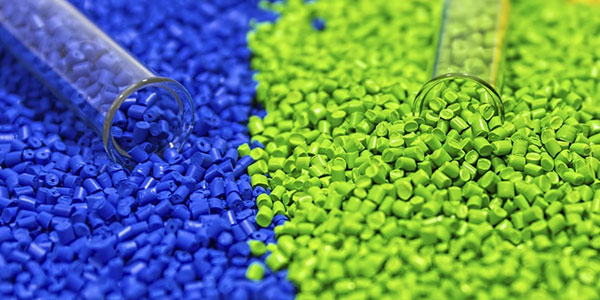
Polymer material producers incorporate this intermediate into the production of high-strength plastics and engineering resins. It helps in the cross-linking process, which makes the final plastic more durable and resistant to heat and chemicals. These high-performance polymers are used in everything from car parts to heavy-duty industrial pipes.
The resin industry also uses this chemical to develop specialized adhesives that must hold up under extreme pressure. By using this reactive chloride, manufacturers can ensure their resins bond effectively to different surfaces. This results in stronger, more reliable materials for construction and aerospace engineering.
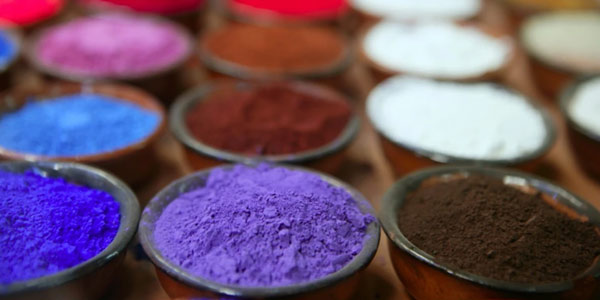
The creation of vibrant, long-lasting colors for textiles and plastics relies heavily on this compound. It is used as an intermediate in the synthesis of organic pigments that must remain stable when exposed to light and water. This ensures that the products we use every day, from clothing to packaging, keep their color for a long time.
Industrial dye producers use this chemical to achieve specific shades that are difficult to create with other intermediates. The chlorine group in the molecule helps shift the color spectrum, allowing for a wider range of available dyes. This chemical is therefore essential for the fashion, printing, and automotive paint industries.
FAQs on 3-Chlorobenzoyl Chloride
What is 3-Chlorobenzoyl Chloride used for?
It is primarily used as an intermediate to manufacture pharmaceuticals, agrochemicals, dyes, and high-performance polymers.
Is 3-Chlorobenzoyl Chloride hazardous?
Yes, it is a corrosive substance that can cause severe skin and eye damage and reacts violently with water.
How should this chemical be stored?
It should be kept in a cool, dry, and well-ventilated area, away from moisture and heat, in its original sealed container.
Which industries commonly use this compound?
The pharmaceutical, agricultural, plastic, and textile dye industries are the most frequent users of this chemical.
Can 3-Chlorobenzoyl Chloride be supplied in bulk quantities?
Yes, as a large-scale manufacturer, we provide bulk shipments in industrial drums to meet high-volume production needs.
Why is this compound important in organic synthesis?
Its high reactivity allows it to easily bond with other chemicals, making it an efficient tool for building complex organic molecules.