

2-Chloro-6-fluorobenzaldehyde
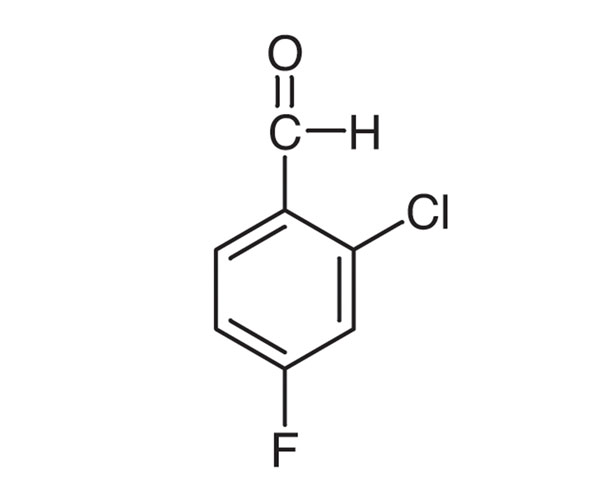
2-Chloro-6-fluorobenzaldehyde (CAS No. 387-45-1)
2-Chloro-6-fluorobenzaldehyde is a specialized organic compound that plays a vital role in modern industrial chemistry. As a leading 2-Chloro-6-fluorobenzaldehyde Manufacturer, Shital Chemical Industries provides this high-purity halogenated aldehyde to support complex synthesis projects. This specific molecule is part of the fluorinated aromatic family, which is prized for its unique ability to change the biological and chemical properties of final products. By choosing a reliable source, companies ensure their chemical reactions remain stable and predictable.
The importance of this benzaldehyde derivative chemical lies in its structure. Having both chlorine and fluorine atoms on the benzene ring makes it a versatile building block. In the world of specialty chemicals, such intermediates are essential for creating high-value molecules that require precise atom placement. Whether it is used in creating new medicine or advanced materials, this compound serves as a critical starting point for many chemical intermediate manufacturers who need consistent quality for their industrial processes.
Chemical Identification Table
Feature | Details |
Product Name | 2-Chloro-6-fluorobenzaldehyde |
Chemical Formula | C7H4ClFO |
CAS Number | 387-45-1 |
EC Number | 206-860-9 |
Molecular Weight | 158.56 g/mol |
UN Number | 3261 (Corrosive solid, acidic, organic, n.o.s.) |
Appearance | White to light yellow crystalline powder or chunks |
Chemical Family | Halogenated Aromatic Aldehydes |
Physical and Chemical Properties Table
Property | Value / Description |
Boiling Point | Approximately 210°C to 215°C |
Melting Point | 34°C to 38°C |
Density | 1.3 ± 0.1 g/cm³ |
Flash Point | > 90°C |
Solubility | Soluble in organic solvents like ethanol and ether; slightly soluble in water |
Chemical Nature | Sensitive to air and light; acidic in character |
Reactivity | Reacts with strong oxidizing agents and strong bases |
Why Choose Shital Chemical Industries
Well-Controlled Manufacturing
Our production lines are designed to maintain the specific temperatures and environments required for sensitive aromatic reactions.
Reliable Purity Levels
We ensure every batch meets strict percentage standards, reducing the risk of impurities in your final synthesis.
Advanced In-House Testing
Our laboratory uses modern equipment to verify the identity and quality of every gram produced.
Bulk Production Infrastructure
We have the capacity to scale from small pilot batches to large-scale industrial quantities without losing quality.
Aromatic Expertise
Our team understands the behavior of halogenated intermediates, ensuring safe and efficient handling.
Global Supply Chain
We maintain a steady stock to provide a consistent supply to both domestic factories and international buyers.
Packaging and Export Capability
Industrial Drum Packaging
Industrial-grade drum packaging specifically designed for hazardous and corrosive chemicals.
Moisture-Protected Sealing
Moisture-protected and vacuum-sealed inner linings to prevent degradation during long-distance travel.
Hazard labeling Standards
Clear hazard labeling that meets all international transport and safety standards.
International Transport Classification
Strict compliance with global shipping regulations for air, sea, and road transport.
Export Documentation
Complete export documentation provided, including a Certificate of Analysis (COA) and Material Safety Data Sheet (MSDS).
Global shipping Capability
Dedicated logistics support to ensure timely and safe delivery to any global destination.
Applications of 2-Chloro-6-fluorobenzaldehyde
This compound is a fundamental tool for pharmaceutical manufacturing companies. It acts as a primary building block in the creation of various active ingredients found in modern medicines. Because the fluorine atom is strategically placed, it helps researchers create drugs that are more effective and easier for the body to process.
Many pharmaceutical-related chemicals depend on this fluorinated aromatic intermediate to form the backbone of complex ring structures. By using this aldehyde, chemists can synthesize specific antibiotics and anti-inflammatory agents. Its reliability makes it a staple in large-scale drug production facilities where consistency is the highest priority.

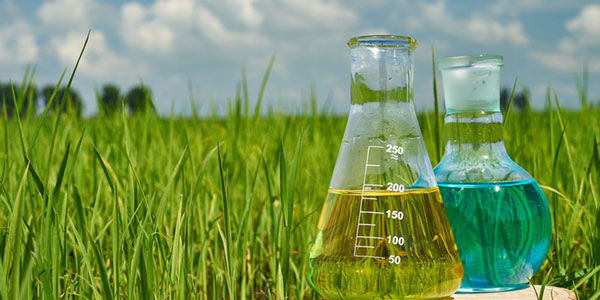
Agrochemical production plants use this chemical to develop advanced crop protection products. It is frequently used to synthesize fungicides and herbicides that protect food supplies. The presence of the chlorine and fluorine atoms helps these agricultural chemicals stay active in the field longer while being more targeted toward specific pests.
The chemical allows for the creation of potent formulas that require lower dosages, which is better for the environment. Manufacturers in the agricultural sector rely on this intermediate to ensure their products meet the high performance standards required for modern farming.
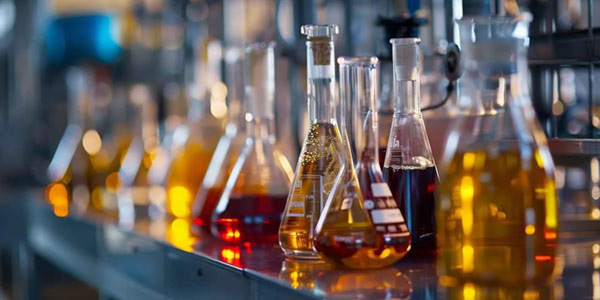
In general organic synthesis, this molecule serves as a versatile reagent for various laboratory reactions. It can undergo several transformations, such as oxidation or reduction, to form different functional groups. This flexibility makes it a favorite among chemical intermediate manufacturers who produce a wide range of secondary products.
Laboratories often use this compound to test new reaction pathways. Its unique halogen positioning allows for the study of how different atoms influence the speed and outcome of a chemical process, making it a valuable tool for innovation.

Specialty chemical laboratories utilize 2-Chloro-6-fluorobenzaldehyde to create custom molecules for niche markets. These chemicals often go into high-end products like fragrances, dyes, or photographic chemicals. The distinct structure of this aldehyde provides a specific “chemical signature” that is difficult to replicate with other materials.
The precision offered by this compound allows manufacturers to meet the very specific needs of their clients. Whether it is a certain color of dye or a specific scent, this intermediate helps bridge the gap between basic elements and specialized finished goods.
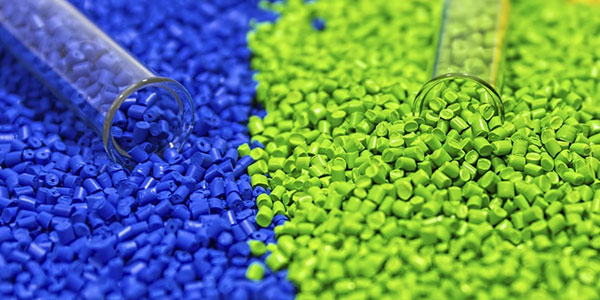
The polymer processing industries use this compound to modify the properties of plastics and resins. By incorporating this aromatic aldehyde into the polymer chain, manufacturers can create materials that are more resistant to heat or chemical damage. This results in high-performance plastics used in electronics or automotive parts.
These enhanced resins are often used in coatings that need to survive harsh weather conditions. The chemical stability provided by the halogen atoms ensures that the final polymer maintains its strength and appearance over a long period.
The polymer processing industries use this compound to modify the properties of plastics and resins. By incorporating this aromatic aldehyde into the polymer chain, manufacturers can create materials that are more resistant to heat or chemical damage. This results in high-performance plastics used in electronics or automotive parts.
These enhanced resins are often used in coatings that need to survive harsh weather conditions. The chemical stability provided by the halogen atoms ensures that the final polymer maintains its strength and appearance over a long period.

FAQs on 2-Chloro-6-fluorobenzaldehyde
What is 2-Chloro-6-fluorobenzaldehyde used for?
It is primarily used as a starting material to make medicines, farm chemicals like pesticides, and specialized plastics.
Is this compound hazardous to handle?
Yes, it is classified as a corrosive solid. It can cause skin burns and eye damage, so proper protective gear must be worn.
How should this chemical be stored?
It should be kept in a cool, dry place away from light and air. Containers must be tightly sealed to prevent the chemical from reacting with moisture.
Which industries commonly use this compound?
The pharmaceutical, agrochemical, and specialty polymer industries are the most frequent users of this chemical intermediate.
Can this chemical be supplied in bulk quantities?
Yes, as a professional 2-Chloro-6-fluorobenzaldehyde Supplier, we can provide large volumes for industrial manufacturing needs.
Why is this compound important in chemical synthesis?
The specific placement of its chlorine and fluorine atoms allows chemists to build complex molecules that are highly effective in their final use.