

Propionyl Chloride in Pharma and Agrochemical Industry
Home / Propionyl Chloride in Pharma and Agrochemical Industry
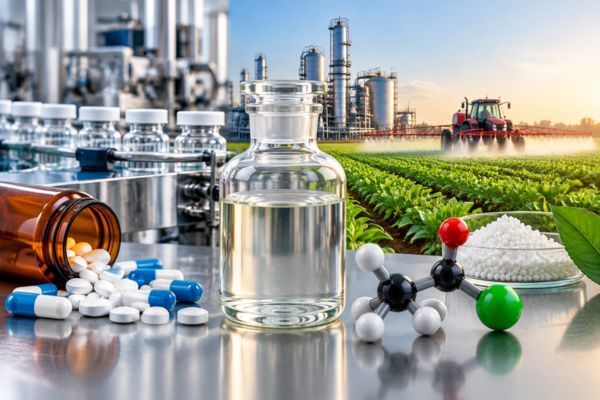
Understanding the Role of Propionyl Chloride in Modern Manufacturing
pharmaceutical and agrochemical manufacturers around the world. With the CAS number 79-03-8, this versatile chemical intermediate acts as a propionylating reagent in organic synthesis, helping chemists build the molecular structures needed for life-saving medicines and effective crop protection products.
Many manufacturers face a recurring challenge. They need a chemical that reacts quickly and cleanly to form propionamides, propionate esters, and other derivatives, but they struggle to find a supplier who can deliver consistent purity and reliable supply. This problem gets worse during peak production seasons when demand spikes and lead times stretch.
This article explains what propionyl chloride does, where it is used, how to handle it safely, and what to look for in a reliable supplier. Whether you are a procurement manager, a process chemist, or a production head, this guide will help you make better sourcing decisions.
Essential Properties of Propionyl Chloride
Understanding the properties of propionyl chloride helps you plan safe handling, storage, and process integration. Here is a quick reference table.
| Property | Value |
| Chemical Name | Propionyl Chloride (Propanoyl Chloride) |
| CAS Number | 79-03-8 |
| Molecular Formula | C₃H₅ClO |
| Molecular Weight | 92.52 g/mol |
| Appearance | Colorless liquid with pungent odor |
| Boiling Point | 80°C |
| Density | 1.065 g/mL at 25°C |
| Flash Point | 12°C |
| Reactivity | Reacts violently with water, alcohols, and amines |
| Storage Temperature | Below 30°C in dry conditions |
The most important thing to remember about propionyl chloride is that it decomposes instantly on contact with water, releasing propionic acid and hydrochloric acid. This makes moisture-proof packaging and climate-controlled storage absolutely critical for maintaining product quality.
Pharmaceutical Applications of Propionyl Chloride
The pharmaceutical industry relies heavily on propionyl chloride for synthesizing a wide range of active pharmaceutical ingredients. Here are the key applications.
Antiepileptic and Anticonvulsant Drugs
Propionyl chloride is used in the synthesis of antiepileptic medications including phenytoin and related compounds. The propionyl group serves as a key structural element in these drug molecules, directly influencing their therapeutic activity.
Anti-Adrenergic Medications
Several cardiovascular and anti-adrenergic drugs like methoxamine hydrochloride rely on propionyl chloride as a synthetic building block. Its ability to cleanly form propionamide bonds makes it ideal for these precise chemical transformations.
Vitamins and Nutritional Compounds
Propionyl chloride plays a role in the industrial synthesis of cholecalciferol (Vitamin D3) and other nutritional intermediates. This application alone represents a significant volume of global demand.
- Key intermediate for phenytoin synthesis (antiepileptic)
- Building block for methoxamine hydrochloride (cardiovascular)
- Used in cholecalciferol (Vitamin D3) production
- Supports methacholine synthesis for diagnostic use
Agrochemical Uses of Propionyl Chloride
Beyond pharmaceuticals, propionyl chloride in agrochemicals serves critical functions in crop protection product development.
Herbicide Production
Propionyl chloride is a key intermediate in the manufacturing of propanil, one of the most widely used contact herbicides for rice cultivation. Propanil controls broadleaf and grass weeds, making it essential for food security in major rice-growing regions.
Plant Growth Regulators
The synthesis of prohexadione, a plant growth regulator used in apple orchards and cereal crops, depends on propionyl chloride as a starting material. This helps farmers control crop height and improve yield consistency.
Fungicides and Insecticides
Several modern fungicide and insecticide formulations use propionyl chloride derivatives as active ingredient precursors. The reactivity of this compound allows efficient conversion into biologically active molecules.
Safe Handling and Storage Practices
Propionyl chloride demands strict safety protocols due to its corrosive and flammable nature. Here is what every handling facility must follow.
- Always use chemical-resistant gloves, splash goggles, and a lab coat or chemical suit
- Handle only in well-ventilated areas or under fume hoods with explosion-proof equipment
- Never expose to water, moisture, or humid air during transfer or storage
- Store in tightly sealed HDPE drums or glass containers below 30 degrees Celsius
- Keep away from oxidizing agents, alcohols, and alkali materials
- Maintain emergency eyewash and shower stations within 10 seconds walking distance
Proper training for all personnel who handle propionyl chloride is not optional. It is a fundamental requirement for safe operations and regulatory compliance.
Sourcing Propionyl Chloride From a Trusted Manufacturer in India
India has emerged as a major manufacturing hub for acyl chlorides including propionyl chloride. When evaluating an Indian manufacturer, focus on these factors.
| Evaluation Criteria | What to Look For |
| Purity Level | Minimum 98% by GC analysis |
| Quality Documentation | COA, MSDS, TDS with every shipment |
| Production Capacity | Dedicated production lines with annual volume guarantees |
| Packaging Standards | Moisture-proof HDPE drums with nitrogen blanketing |
| Regulatory Compliance | Adherence to REACH, GHS, and international shipping codes |
| Export Experience | Proven track record of safe international shipments |
The most important thing to remember about propionyl chloride is that it decomposes instantly on contact with water, releasing propionic acid and hydrochloric acid. This makes moisture-proof packaging and climate-controlled storage absolutely critical for maintaining product quality.
Conclusion
Propionyl chloride sits at the crossroads of pharmaceutical innovation and agricultural productivity. Its ability to efficiently form propionamides, esters, and other derivatives makes it irreplaceable in the synthesis of critical drugs and crop protection chemicals. Choosing the right supplier with proven quality, safe handling expertise, and reliable logistics is the smartest investment you can make for your production line.
Shital Chemical Industries manufactures and supplies high-purity propionyl chloride from our facility in Gujarat, India. We offer consistent quality, proper documentation, and dependable delivery for both domestic and international clients. Reach out to us at sci@shitalchem.com for a competitive quote.
Frequently Asked Questions
What is propionyl chloride used for in the pharmaceutical industry?
Propionyl chloride is used to synthesize antiepileptic drugs like phenytoin, cardiovascular medications like methoxamine, and nutritional compounds like Vitamin D3. It acts as a propionylating agent in organic reactions.
How is propionyl chloride used in agrochemical manufacturing?
It is a key intermediate in the production of the herbicide propanil and the plant growth regulator prohexadione. It also contributes to fungicide and insecticide synthesis.
What happens when propionyl chloride comes in contact with water?
Propionyl chloride reacts violently with water, producing propionic acid and hydrochloric acid fumes. This is why moisture-proof storage and handling are absolutely essential.
What is the CAS number of propionyl chloride?
The CAS number of propionyl chloride is 79-03-8. It is also known as propanoyl chloride.
What purity level should I expect from a quality manufacturer?
Industrial-grade propionyl chloride should have a minimum purity of 98 percent as verified by gas chromatography. Pharmaceutical applications may require 99 percent or higher.
How should propionyl chloride be packaged for safe transport?
It should be packaged in airtight HDPE drums or IBCs with nitrogen blanketing to prevent moisture contact. All shipments must comply with international dangerous goods regulations.
Where can I find a reliable propionyl chloride manufacturer in India?
Shital Chemical Industries is a trusted manufacturer and exporter of propionyl chloride based in Khambhat, Gujarat, India. We supply bulk quantities with complete quality documentation and safe logistics support.