

Heptanoyl Chloride
Home / Heptanoyl Chloride
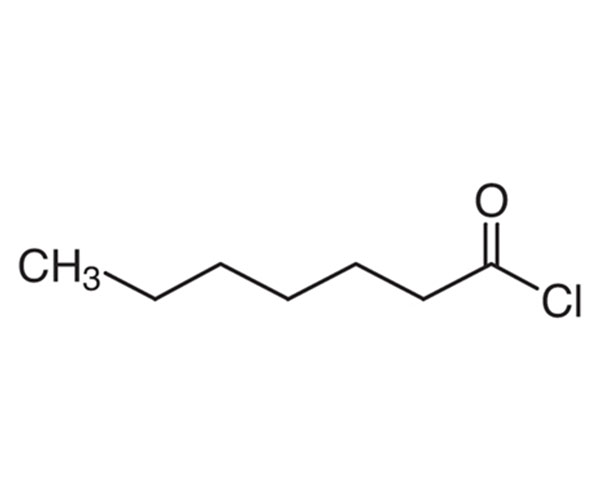
Heptanoyl Chloride Manufacturer Supplying High-Purity Acid Chloride
Heptanoyl Chloride is a colorless to slightly yellow liquid that serves as a highly active building block in the world of synthetic chemistry. As a dedicated Heptanoyl Chloride Manufacturer, Shital Chemical Industries focuses on producing a substance that allows other companies to build complex molecules with absolute precision. In large-scale chemical factories, acid chlorides like this one are valued because they react very quickly. This high level of activity means they can join with other ingredients to create new materials that are essential for modern life.
This specific Heptanoyl Chloride Chemical is a key player in the creation of advanced chemical intermediates. Because it contains a chain of seven carbon atoms, it provides a very specific shape and length that is perfect for making certain medicines and farm-related products. Industrial synthesis relies on the steady quality of this compound to ensure that final goods—whether they are specialized drugs for a hospital or protective sprays for a farm—perform exactly as expected every single time.
Chemical Identification Table
Feature | Details |
Product Name | Heptanoyl Chloride |
Chemical Formula | C7H13ClO |
CAS Number | 2528-61-2 |
EC Number | 219-775-3 |
Molecular Weight | 148.63 g/mol |
UN Number | 3265 |
Appearance | Clear to pale yellow liquid |
Chemical Family | Acyl Halides |
Physical and Chemical Properties Table
Property | Details |
Boiling Point | Approximately 173°C to 175°C |
Melting Point | Below -50°C |
Density | 0.96 g/cm³ at room temperature |
Flash Point | 58°C (Closed Cup) |
Solubility | Reacts with water; soluble in organic solvents |
Chemical Nature | Corrosive and fuming liquid |
Reactivity | Strong reaction with moisture and alcohols |
Why Choose Shital Chemical Industries
Carefully Controlled Manufacturing Operations
We use precise temperature and pressure settings to ensure every batch is made to the highest standard.
Consistent Chemical purity across production batches
As a reliable Heptanoyl Chloride Supplier, we make sure the quality never changes from one order to the next.
Dedicated laboratory testing and verification
Every lot is checked in our own lab to prove it meets the strict rules our customers follow.
Strong infrastructure for bulk chemical production
Our large facility is equipped with modern tanks that allow us to handle very big orders without any delay.
Experience handling reactive acid chloride compounds
Our staff is specially trained to move and store these active liquids safely and efficiently.
Reliable global supply network
We have the logistics connections to ship our chemicals to your door, no matter where you are located.
Packaging and Export Capability
Industrial Drum Packaging
We use specialized, high-strength drums that are designed to hold hazardous liquids securely during long trips.
Moisture-resistant sealed containers
Since water can ruin this chemical, we use airtight seals that keep all dampness and air out of the container.
Hazard labeling
Every package is marked with clear international symbols so that workers know exactly how to handle the material safely.
Transportation compliance
We strictly follow the laws for moving corrosive chemicals by sea, air, and road.
Export documentation
We provide all necessary paperwork, including a Certificate of Analysis (COA) and an MSDS, for smooth customs clearance.
Logistics support
Our team works with trusted shipping partners to ensure your order arrives on time and in perfect condition.
Applications of Chloroacetyl Chloride
Pharmaceutical manufacturing companies use this liquid to help build the complex structures of various healing drugs. It acts as a specialized starting point that allows chemists to attach a specific carbon chain to a medicine’s core. This step is very important for making treatments that help with heart health or fight against infections. Without this Acid Chloride Intermediate, many drug recipes would be much harder to complete.
By working as a Chemical Intermediate Manufacturer, we provide the raw material that labs need to develop new and better medicines. The purity of our chemical ensures that the final drug is safe and works the way it should. It is a quiet but vital part of the modern healthcare system.

Agrochemical production plants rely on this compound to create powerful ways to protect food crops. It is used to make the active parts of pesticides that keep insects away and herbicides that stop weeds from growing. Because the chemical reacts so effectively, it helps create farm products that stay strong even when the weather is very hot or rainy.
This helps farmers grow more food on their land. By using a reliable source for their chemical needs, these plants can make sure their sprays are always effective. It is a key ingredient in keeping the global food supply healthy and plentiful for everyone.
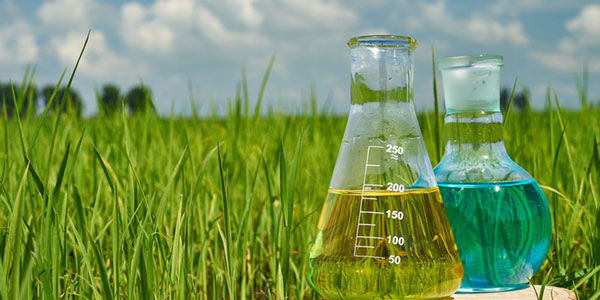
In the world of organic chemistry, this liquid is used to create a variety of esters and amides. These are basic components found in many everyday items, from soaps to special coatings. Chemical intermediate producers use it because it is predictable and helps them reach the final result of their reaction much faster than other methods.
It is especially useful when a scientist needs a molecule that is exactly seven carbons long. This specific size changes how a final product feels or acts in different environments. It is a favorite choice for those who want to create high-quality organic materials in a laboratory setting.

Specialty chemical laboratories often need this substance for custom projects that require a very specific reaction. It might be used to create a new type of scent for perfumes or a unique flavor for food-safe additives. The way this chemical bonds with other elements makes it perfect for creating “boutique” chemicals that aren’t made in huge amounts.
These small-scale uses are just as important as the big industrial ones. They often lead to innovations in how we make things like high-tech fabrics or electronics. It is a versatile liquid that can be adapted for many different and creative chemical uses.
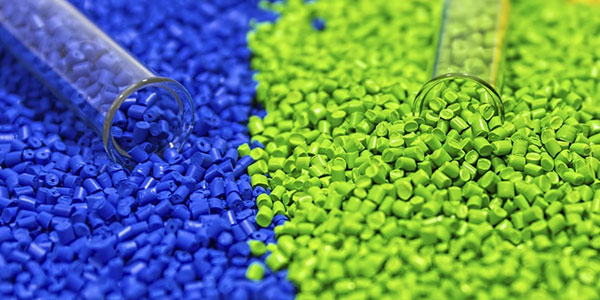
Polymer manufacturing industries use this compound to help change the physical traits of plastics. By adding it to a mix, they can make a plastic that is much tougher or one that doesn’t melt as easily. It helps create the “glue” that holds long chains of molecules together to form a strong resin.
These resins are often used to coat the inside of metal pipes or the outside of cars to stop rust from forming. Because the chemical creates a strong bond, the protective coating stays on for many years. It makes the products we use every day last much longer than they used to.
In research labs, this chemical is used to test new ideas about how molecules interact with each other. Scientists use it to discover better ways to make chemicals that don’t harm the environment as much. It is a standard tool for anyone studying the advanced science of acid halides and their reactions.
This research often leads to the next big breakthrough in technology or medicine. Having a steady supply of high-purity chemicals allows these researchers to focus on their work without worrying about their ingredients. It is the starting point for tomorrow’s scientific discoveries.

FAQs
What is Heptanoyl Chloride used for?
It is used to make intermediates for medicines, crop protection sprays, and high-quality plastics.
Is Heptanoyl Chloride hazardous?
Yes, it is a corrosive liquid that can cause skin burns and reacts strongly with water, so it must be handled with safety gear.
How should Heptanoyl Chloride be stored?
It should be kept in a cool, dry area in an airtight container to prevent it from reacting with moisture in the air.
Which industries commonly use this compound?
The pharmaceutical, farming, and plastic-making industries are the main groups that use this chemical.
Can Heptanoyl Chloride be supplied in bulk quantities?
Yes, we provide the chemical in large industrial drums for factories that need a steady, high-volume supply.
Why is Heptanoyl Chloride important in chemical synthesis?
It is a very active building block that allows chemists to easily add carbon chains to other molecules to create new materials.